
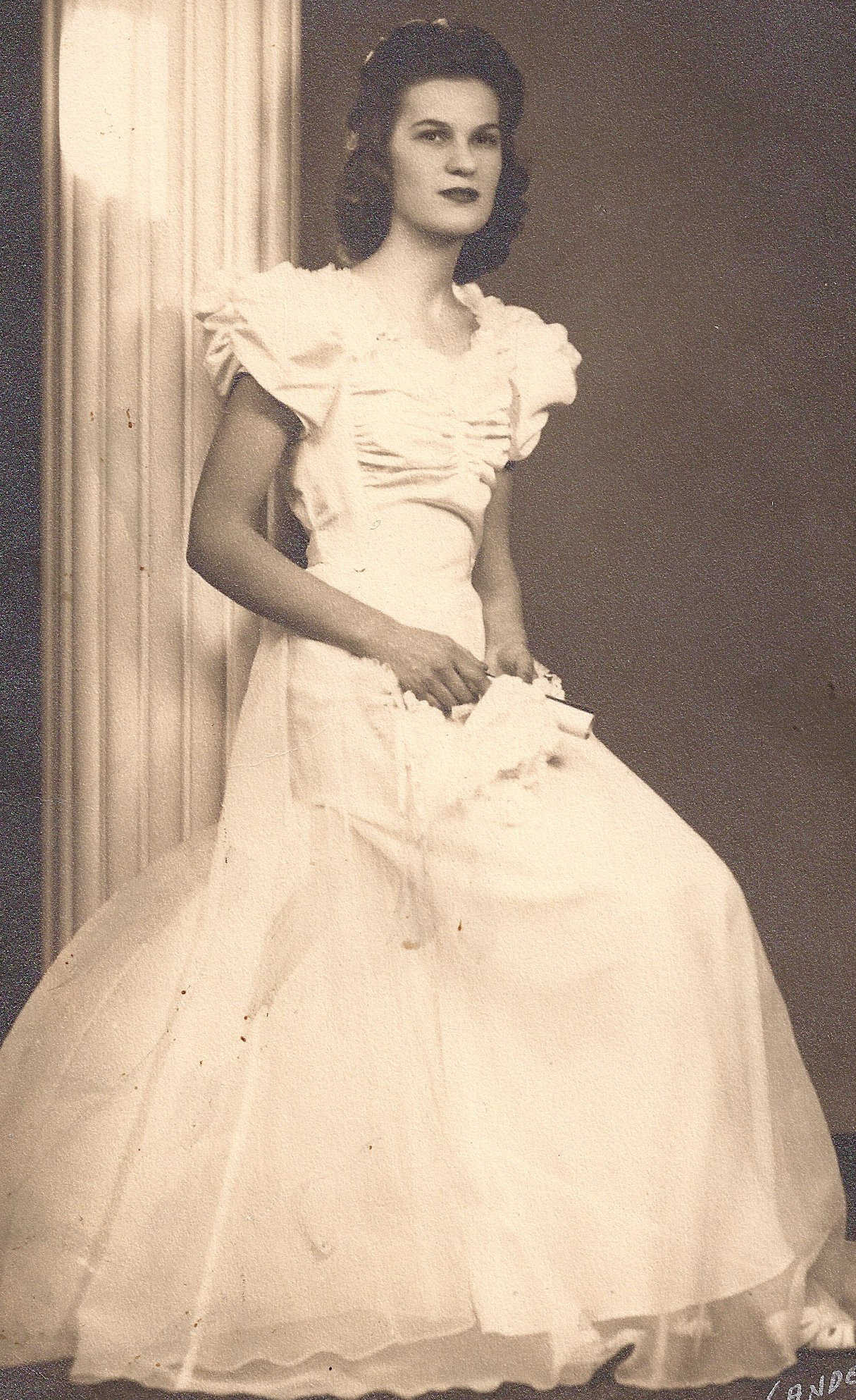
“So Long as we have food on our table, I won’t let anyone else go hungry!” answered Angela to her husband’s warning not to feed every man who came to her door. It was soon after her husband, each of his three brothers and her five brothers returned from WWII that Angela began feeding the homeless who knocked on her door. Hobos, they were called, who had ridden the trains cross country, looking for work. Most had been soldiers, airmen, or sailors; now just trying to be useful, and survive an uncomfortable and confusing civilian life. At Angela’s door they were welcomed with a smile and hot food, and a sandwich and fruit in a brown lunch bag to take with them. Before leaving they could be found cleaning out gutters, painting the garage door, pulling weeds from the curb crease. “They could be you,” Angela would remind her husband; “and, I hope someone would have fed you if you were hungry.” Angela did become curious as to why so many men came to her door rather than other doors on the street. One hobo showed her she had been marked as a “kind woman who will feed you” with a coded chalk mark on the curb in front of her house.
The homeless did not seem fearsome to her children, just visitors who enjoyed their Mother’s food like any other visitor to their home. No one was allowed to leave unless they had first had something to eat at Angela’s table. She would tell her children, “I remember what it was like to go to bed hungry. My brothers stole milk off porches to bring home to us. Sometimes that is all we would have to eat that day.”
On her daughter’s 5th. birthday she took to the streets on her new Huffy bike with training wheels. A year later, the wheels were off, and she was free to ride the neighborhood closely guarded by the Italian family and friends who lived among the now retreating German immigrants who had “moved up” into middle class neighborhoods. On every block were two or more Italian grandmothers sitting on the porch keeping tabs on the neighborhood children: Annarinos, Akes, Angelettis, DiBlasios, and Corsis vigilantly covered the south end. Angela’s daughter felt safe enough to ride to the river, drop her bike by the side of the dike and climb over it into the Tectum drywall dump where she and her brothers had built forts.
Hobos sometimes slept in their forts. She loved the stories they shared with her, and she could be found sitting around their campfires as they swapped tales of glory and remorse. She also shared cans of beans heated in the flames, passed around the circle with a shared spoon. No one never knew about these afternoons with the hobos. Instinctively, she knew these men were misunderstood and needlessly feared. She did not even tell her Mother. Not because she was banned from talking to hobos; but, because she was banned from the river and the dump.
And still, the wandering soldiers and sailors return, too often feared; too often, ignored. Homeless, jobless, weary beyond all understanding by those of us who live in peaceful worlds with food on our tables. Angela would be ashamed of what she sees happening today. For today’s homeless include women and children, people forced out of their homes and jobs by the greed of investors seeking exceptional profits rather than expecting CEO’s to reinvest in companies, spend profits on research and development for long-term growth; unwilling to pay taxes to support local schools, build their own infrastructure and pay public employee salaries. Corporate boards buy off CEO’s of our corporations and universities with exorbitant salaries and bonuses; until they are forced to lay-off workers, increase tuition, reduce salaries-pensions-healthcare, ignore environmental and safety regulations, or relocate to foreign countries to make the profits ever higher to satisfy Wall Street’s greed.
Some things never change. It is not Wall Street’s greed which causes us to forget we are a community of people relying on each other for survival. It is our own greed and our own fear. It is our fear someone else will get more than we have. Our fear that sharing what we have will make another stronger. And our fear of “the other”, those who may be of a different race or nationality, have mental health issues, or simply difficulty coping, who just returned from repeated war zones, who have never had family security, who have been beaten and abused. We don’t fear them because they are “not like us”; we fear them because they are JUST like us. We fear that we could all too easily become one of “them”. And so we shun them, and try to forget they exist. We turn a deaf ear to their pleas and arrest anyone who would occupy Wall Street, or main street.
What would Angela tell us today? “Open your doors and feed everyone; make a seat at your table for anyone who needs you, not just for food, but for love.” I know she would say this. How do I know? Because, I am Angela’s daughter.
 annarino writes