Tag Archives: working class

THANKS GIVING

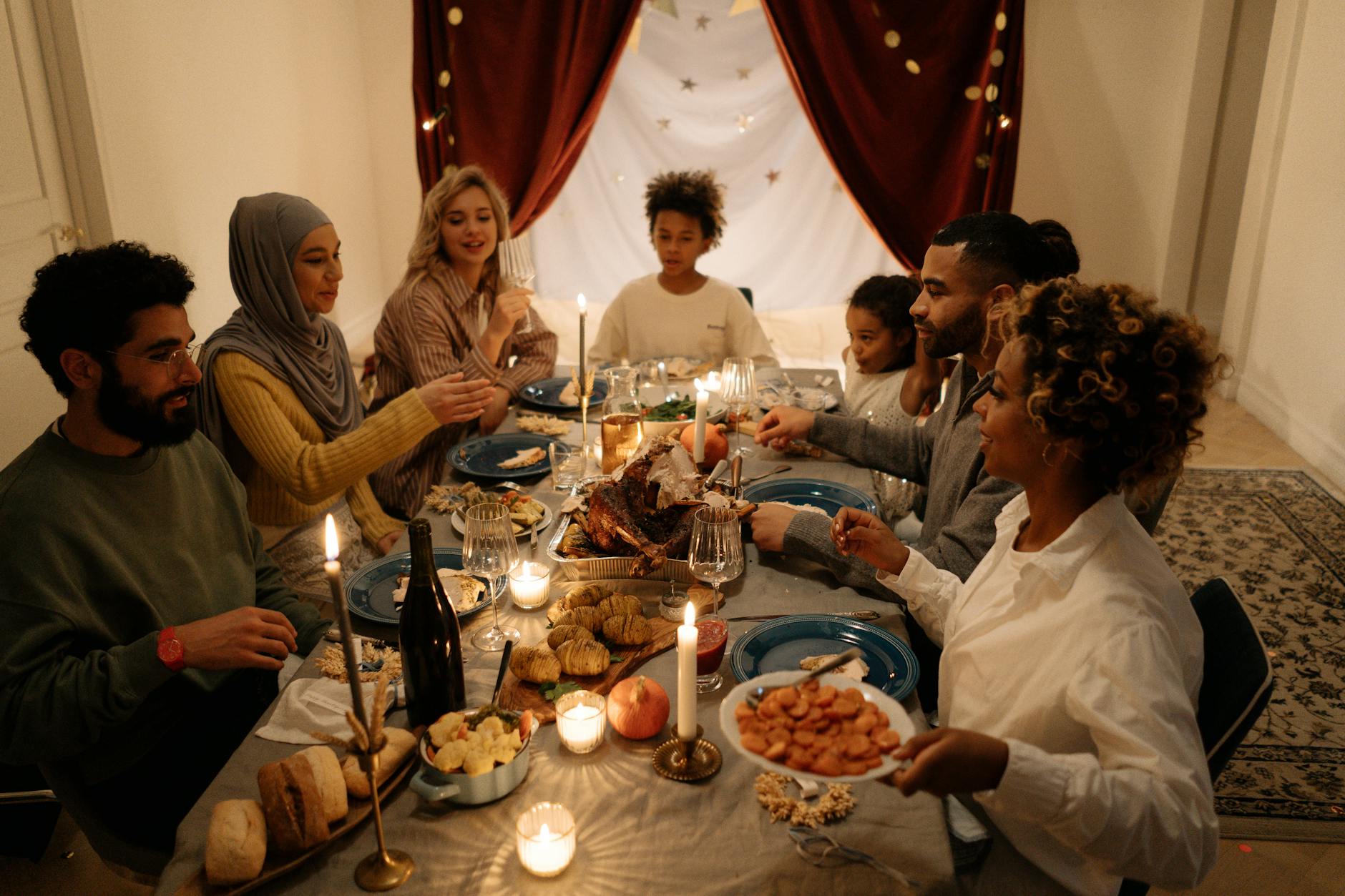
Photo by cottonbro studio on Pexels.com

It is good to be thankful.

It is good to be free.

It is good to hope 

and dance so merrily.

It is good to be thankful.

It is good if we can see

it is good to keep trying

to save our beloved country.

It is good to be thankful.

It is good for more than me.

It is good for every “other”

who turns I into we.

It is good to be thankful.

But I want so much more.

I want each of us to lift 

the light beside an open door.

I want each of us to hold and defend

our sacred declared text and constitution.

I want each of us to pledge

we will begin again

and set aside fearful pride

alongside those who deny

the Rule of Law and all it means,

as it loss threatens the safety

of ourselves, and every sister and brother.

I want each of us to vote the bums out.

I want each of us to cry freedom and shout

“We ain’t buying it !” 

to all those who sold us out

so they alone can dance merrily in a ballroom

built on East Wing destruction,

giving in to autocrats’ seduction.

It is good to be thankful.

It is good to be free.

But, only if we all can be

and only if we all 

can dance so merrily.

Too many did not think this is how it would be.

They ignored the liberal thinkers they deplore,

and wholeheartedly ignored

the warnings and pleas to face reality.

Instead, they refused to see,

they refused to look into the mirror

of their own racist, sexist depravity.

It was easier to look away.

They knew they would not like

what they would see.

They felt affirmed and at their ease.

But only for a moment.

Now, this is where we are, but need not be.

It is good to be thankful.

It is good to stay free.

Leave a comment

Filed under POETRY, POLITICS

A DAY WITH DAD: ECONOMIC LESSONS OF THE WORKING CLASS

A Day With Dad: Economic Lessons of the Working Class

Louise Annarino

June 11, 2012


Feet on the hassock, legs crossed at the ankle, lit pipe dangling over his left lower lip, Angelo lay back against the chair and closed his eyes, hoping the children would give him two minutes to rest.


“You shouldn’t sleep while smoking,” chided  5 year old Louise.


“I’m just resting my eyes,” her Dad responded with a sigh.


It was his questioning child who sat on the floor at his feet, the one who was never satisfied with a simple answer; who always followed each answer he gave with the question, “But why?”. He slowly opened his eyes and stared into his daughter’s questioning gaze. “What did you want?”, he asked.


“Can I have a horse?”


“No.”


“Why not?”


“Horses need a lot of room to run. We don’t have enough property for a horse.”


“Why not?”


“We can’t afford a farm; we can’t even buy this house. And even if we could it would not be large enough for a horse.”


“Why can’t we buy a farm?”


“We don’t have enough money.”


“How do we get money?”


“You think money grows on trees; we have to work for it.”


“Can we work more so we can get more money?”


“I already work 14-16 hour days 7 days a week. I can’t work any more than I already do.”


“Oh. Well, if you work so hard why don’t you have enough to buy a house?”


“Because it takes money to make money, and we started our business with very little money.’


“Can I work?”


“No, you are too young.”


“If I can’t get money, then how can I make more money?”


“You can’t.”


“But, why not?”


“Ask the rich people.”


“How did they get rich?”


“They dad’s or grandads stole it from someone else, starting with the Indians, and used it to make more money.”


“It’s wrong to steal, isn’t it?”


“Yes.”


“Why don’t rich people share their money so everyone can make more money? Then, no one would be poor.”


“Rich people never share anything. They don’t even pay their bills. I would rather cater a wedding for a poor man than a rich one. Poor people pay me right away. The rich people complain about every little thing and try to avoid paying the full bill. They delay,delay,delay. Some of them have never paid me.”


“But, why not?”


“They think they are entitled to my hard work;that they are better than us.”


“Why?”


“Because we are working stiffs.”


“Why?”


“Because we were poor.”


“Why?”


“Because.”


“But, why because.”


Leave a comment

Filed under POLITICS